What does Good Friends collect?
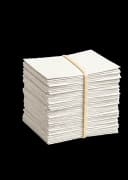
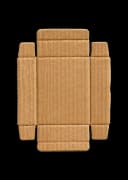
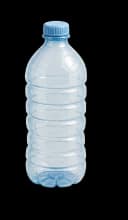
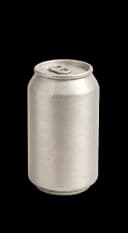
Good Friends provides trash collection for residential and commercial properties. Common recycling categories include paper, cardboard, plastic, metal, and glass. Ask the team before setting out bulky, mixed, hazardous, or otherwise unusual materials.
Which communities do you serve?
Good Friends serves Washington, DC, Alexandria, Arlington, Haymarket, Gainesville, Manassas, Woodbridge, and Centreville. Share your property details so the team can build the right collection plan and quote.
Do you collect from homes and businesses?
Yes. Good Friends serves both residential and commercial customers.
How do I request a quote?
Send your service address, property type, and collection needs through the quote form, or call 703-543-8671. The team will review the details and confirm next steps.
How much does collection cost?
Pricing depends on the property type, collection need, access, and schedule. Good Friends uses those details so the quote reflects the actual property rather than a generic estimate.
How often can collection be scheduled?
Good Friends builds the collection schedule around the property and service plan. The team will include the agreed pickup frequency and timing in the quote.
What should I ask about before setting it out?
Keep hazardous, medical, chemical, electronic, bulky, or unknown materials out until the team confirms how they should be handled. When in doubt, describe the item in the quote request or call before placing it at the collection point.
Does everything in a recycling bin get recycled?
No responsible hauler should promise that every item placed in a recycling container becomes a new product. Acceptance depends on the local program, the material, contamination, and the receiving processor. Good Friends confirms collection categories, while customers should reduce and reuse first and place only accepted materials in the recycling stream.
What should stay out of ordinary recycling?
Do not place batteries, electronics, chemicals, medical waste, plastic bags or film, food waste, or other hazardous and unusual items into a recycling container unless the team and the applicable local program specifically accept them. These items may need a separate drop-off or specialized service.
How can my property create less waste?
EPA and Virginia place source reduction and reuse ahead of recycling in the waste hierarchy. A practical property plan starts by buying and using less, reusing or donating what still has value, then separating the remaining accepted recyclables from trash with clear containers and instructions.